
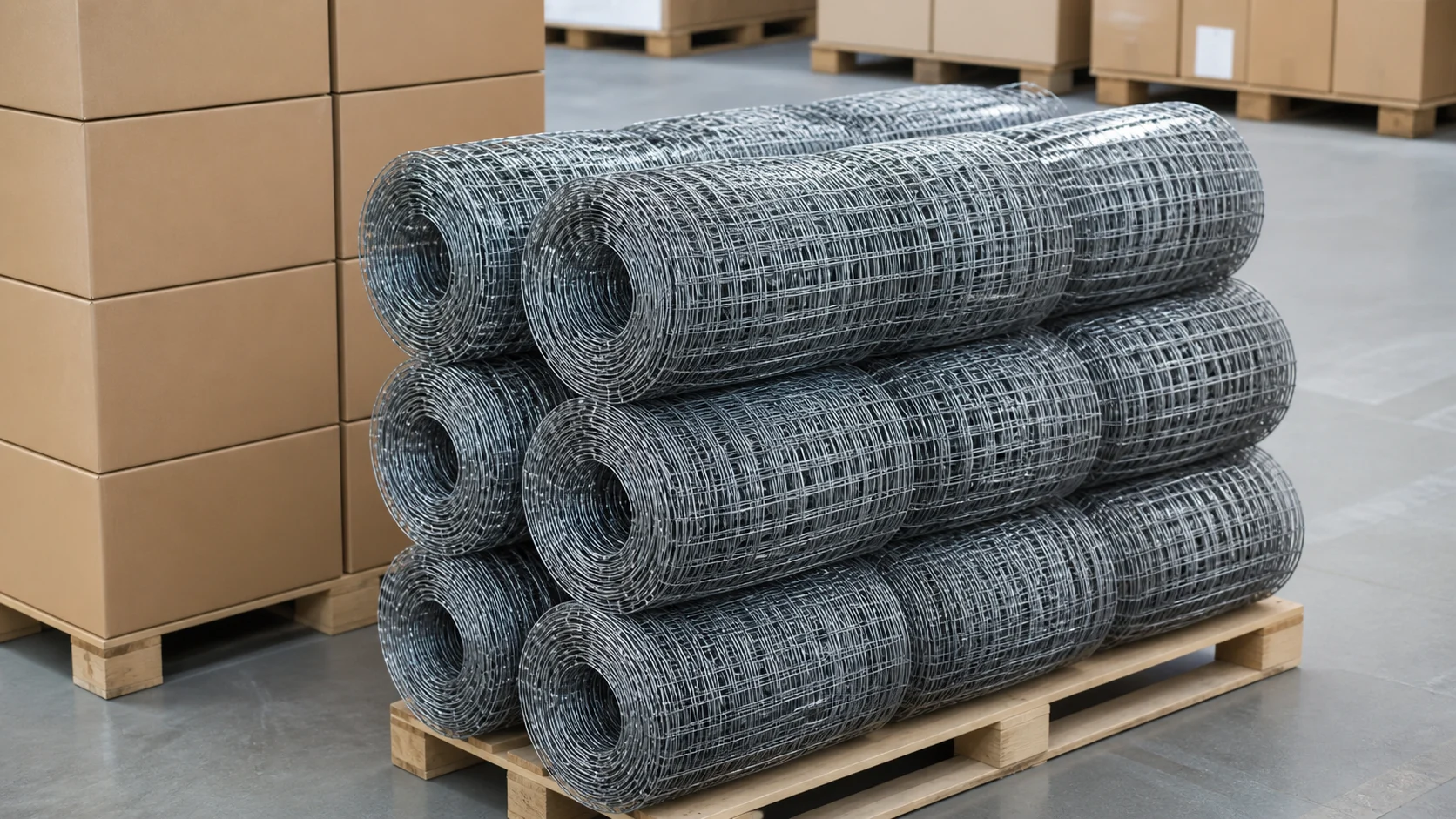
Galvanized Wire Mesh Roll is a practical line for building-material importers, farm supply buyers, garden distributors, and hardware wholesalers who need mesh supplied in a roll format. The product record identifies galvanized steel wire, with mesh size confirmed for the destination market. The reference image shows silver-gray mesh rolled into compact circular coils. That roll form, the selected mesh opening, wire direction, and packing arrangement should stay together in one product record before a buyer compares quotations.
The Galvanized Wire Mesh Roll product page is the right starting reference for an inquiry. Send the target mesh opening, requested wire diameter, roll width, roll length, galvanized finish direction, quantity, packing method, destination market, and any label or carton-mark requirements. A generic request for “galvanized mesh” can refer to different roll forms, openings, wire sizes, coatings, or packing methods, so it is not detailed enough for a controlled sample and quotation process.
Start with the mesh opening and roll format
Buyers should first confirm the mesh opening and the intended roll dimensions. These points determine how the roll fits the end use, storage space, handling plan, and shipment layout. Request a photo or agreed sample that shows the selected grid pattern and coil form, then keep it beside the written specification. Where an application needs a particular opening or wire diameter, state those requirements directly. Do not infer exact dimensions, wire gauge, roll weight, or tensile properties from a product image.
The supplied reference shows a square-grid mesh roll rather than a hexagonal netting roll or a rigid panel. Those are different product forms and should remain on separate quotation lines. A buyer may source several wire products together, but the selected mesh profile, opening, roll size, finish instruction, packing, and product code should be recorded independently for every SKU. This avoids receiving a technically plausible but commercially incorrect mesh type.
Confirm the galvanized finish as an order requirement
The product record identifies galvanized steel wire. Buyers who have a surface-treatment requirement should describe it in the inquiry and sample notes, rather than relying on a silver appearance in a photograph. Keep the requested finish direction with the mesh opening, wire diameter, roll size, and target application. If the buyer needs supporting documents, a particular label statement, or additional inspection photos, include that request before sample approval and quotation confirmation.
It is useful to review both the full roll and a close mesh section during sampling. This allows the buyer to compare the selected opening, wire intersections, general finish appearance, roll edges, and overall coil condition with the agreed reference. A clear approval file does not need unsupported performance claims. It needs enough visual and written information for the supplier, buyer, and receiving team to recognize the same roll after packing and shipment.
Do not mix mesh rolls with panels or netting
The earlier welded wire mesh roll buying guide is useful when buyers compare a related roll-format product. It should be used as a comparison reference, not as a shared specification. Product construction, grid reference, finish requirement, application, roll size, and packing may differ. The same discipline applies when comparing galvanized mesh with hexagonal wire netting or with a welded mesh panel: confirm the selected product form before discussing carton counts or loading.
For buyers building a wire assortment, separate lines also make it easier to control retail labeling and warehouse identification. Keep a product title, model reference where available, approved photo, selected mesh opening, wire diameter, roll dimensions, finish direction, packing instruction, and quantity on each line. This reduces errors when one order includes mesh rolls, netting, binding wire, nails, or other hardware products with different handling needs.
Review roll packing and loading before dispatch
Wire mesh rolls need a packing plan that protects the roll shape and keeps the selected product identifiable through the journey. Discuss the preferred roll wrap, bundle method, label position, pallet request where needed, carton or outer protection, and container loading sequence before finalizing the order. The right method depends on the confirmed roll diameter, width, quantity, shipment route, destination handling, and whether the mesh will travel with other dense hardware items.
Rolls should not be treated as generic cartons. A receiving warehouse needs to identify the roll size and selected mesh line without opening mixed packages. Ask for the agreed bundle quantity, outer-pack method, units per pallet if requested, carton or bundle marks, and loading photos. If a buyer plans a mixed order, wire products may be loaded beside compatible hardware items, but the rolls should not be compressed, misplaced, or left without their own identification and protection plan.
Use QC photos that show the actual selected mesh
A focused pre-shipment photo list can show the complete roll, the roll edge, an opened mesh section, the approved grid pattern, requested finish appearance, wrap or bundle method, product label if supplied, outer protection, bundle or pallet view, and final loading arrangement. Organize images by product line. A mixed set of warehouse images may look complete, but it makes it difficult for the buyer to verify whether the photographed material is the same mesh opening and roll specification that was approved.
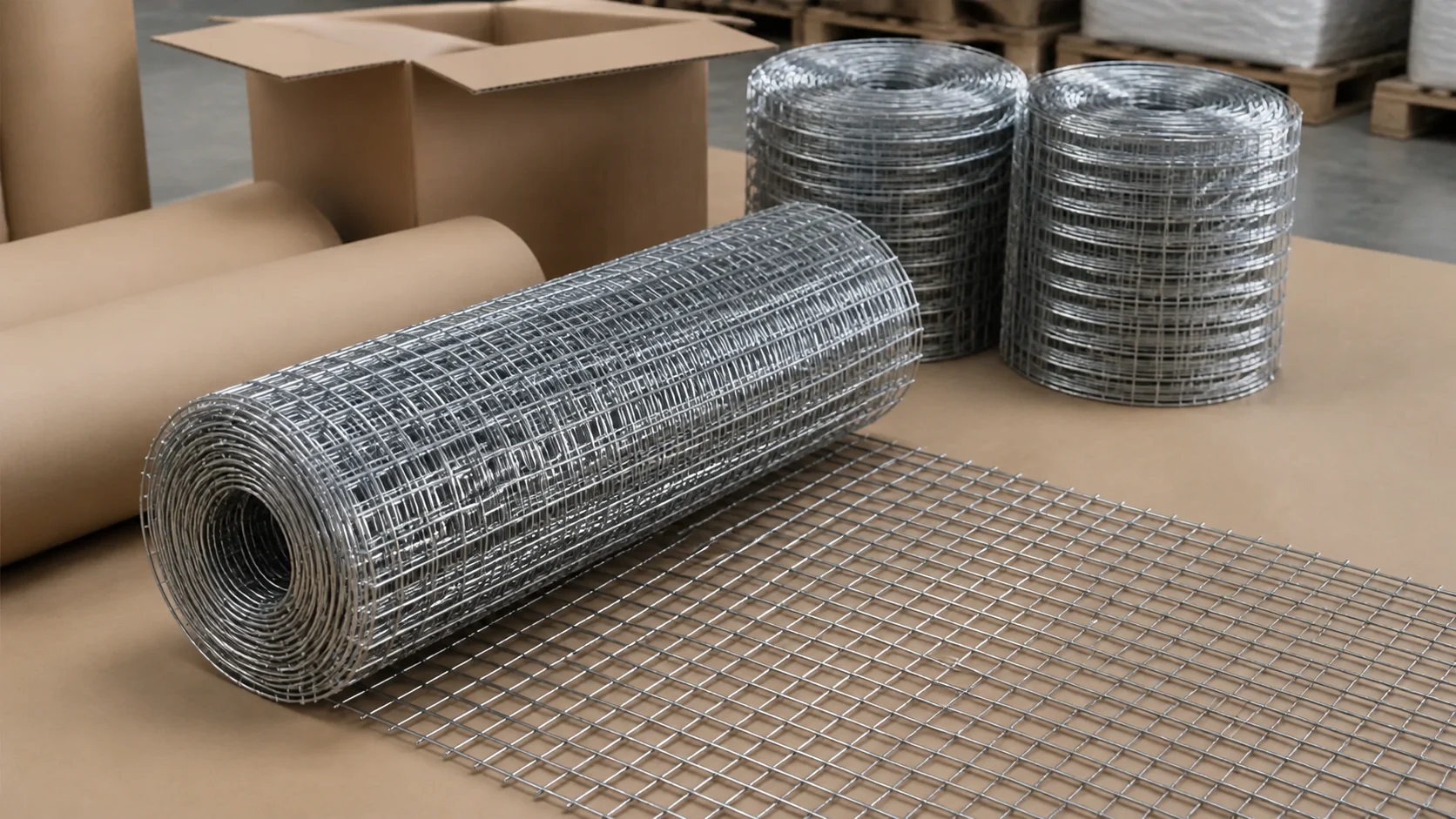
Before shipment, compare the QC photos with the approved sample or reference file. Check the roll form, selected mesh grid, visible finish direction, roll protection, packing identification, and the agreed loading arrangement. Where a buyer needs measured checks, documentary evidence, or a specific packing sequence, those requests should be set before goods are prepared for export. A clear photo list helps the buyer review the shipment remotely and helps the receiving team identify the correct roll on arrival.
Include wire mesh in a wider hardware purchase plan
The Wire Mesh category helps buyers compare mesh rolls, panels, hexagonal netting, binding wire, and related products. It is useful for building an assortment, but it does not replace separate specifications. Each selected item should retain its own product image, opening or pattern reference, dimensions, surface direction, packing requirement, quantity, and sample result. That structure supports clearer quotations and later repeat orders.
Galvanized wire mesh rolls can be planned with agricultural tools, garden tools, construction hardware, cutting consumables, and other compatible products in one practical purchase program. The mixed-container hardware service supports buyers who need several categories in one shipment while keeping the roll protection, carton data, and loading needs of every SKU visible. A buyer does not need a full container for one mesh line when the total buying list includes compatible products.
For a clear quotation, send the mesh opening, wire diameter, roll width and length, required finish direction, target quantity, packing request, product or carton labeling needs, destination market, and other items planned for the same order. China Tools Supply can then organize a focused product comparison, sample discussion, roll-packing review, QC photo list, and export plan based on the buyer’s actual requirements.