
Cold rolled steel strip is a material purchase, not a generic hardware item. A buyer may need it for tool components, hardware parts, forming work, or a wider material sourcing program, but the quotation cannot be accurate until the required material condition is clear. Thickness, width, material grade, edge condition, surface expectation, coil weight, packing method, and destination environment all affect what should be discussed before an order is confirmed.
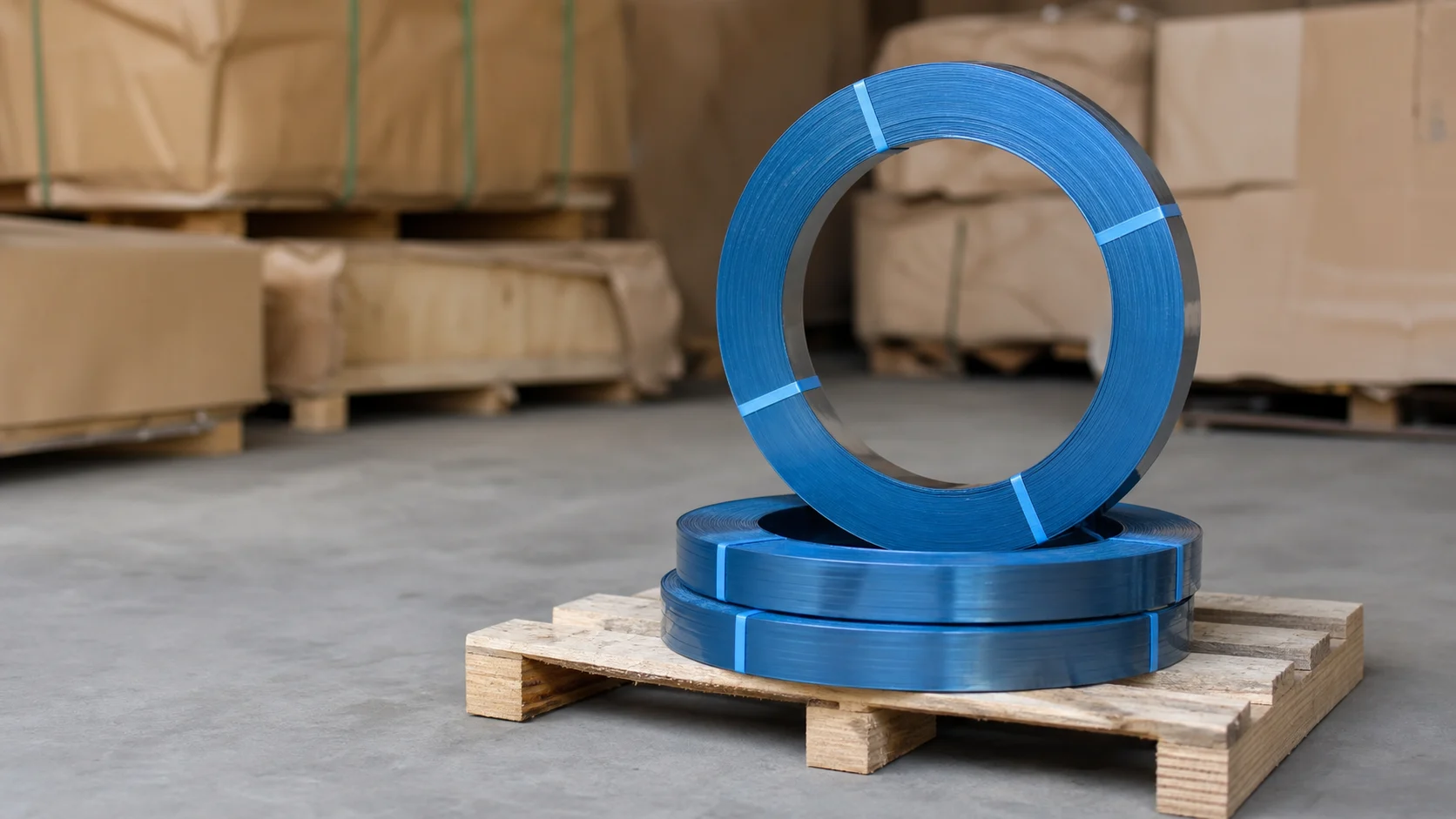
This guide focuses on Cold Rolled Steel Strip, supplied as narrow banded coils for hardware component, tool blade, and material-supply discussions. The product record describes cold rolled steel with thickness and width arranged by request. The product image shows tightly wound strip coils, so buyers should keep the coil form and selected dimensions clear in the inquiry rather than describing the requirement only as "steel strip."
Start with the actual end use
The first question is what the strip will become after import. A buyer using it for a formed hardware component may focus on thickness, width, surface, edge condition, and coil handling. A buyer planning a cutting or flexible tool component may have a different grade or performance requirement. The product name alone cannot establish those details, so the intended application should be included with the request for quotation.
For broader material planning, the Steel Products category provides a useful starting point for comparing coil steel, cold rolled strip, galvanized sheet, and spring steel strip. Each product should stay as a separate line in the buying list because similar-looking coils can have different material, dimensions, finish expectations, and downstream uses.
Thickness, width, and coil format
Thickness and width are the core commercial measurements for cold rolled steel strip. State both values clearly, along with the unit the buyer uses. If more than one thickness or width is required, each combination should be listed as a separate SKU line with its own quantity. This avoids a quotation that is correct for one strip size but unsuitable for the rest of the program.
The buyer should also confirm the preferred coil format. Useful points include the requested coil weight range, inner diameter or outer diameter where relevant to the buyer's equipment, banding method, and whether the coil will be processed locally or delivered into another production flow. These are practical handling requirements, not details to leave until loading day.
Material, surface, and edge requirements
Cold rolled steel strip should be ordered against the buyer's actual material requirement. If a specific grade, hardness direction, tolerance, surface condition, or edge condition is needed, it should be written into the inquiry and checked through the sample or material documentation available for the selected order. Do not assume that two coils with a similar appearance have the same downstream suitability.
Surface and edge observations are especially useful for buyers who will cut, stamp, form, coat, or otherwise process the strip. A practical approval file can request coil-face photos, strip-edge close-ups, a width-check photo, packing photos, and a clear identification of the selected specification. The objective is to make the approved order reference usable for both the buyer's purchasing team and its receiving or processing team.
Do not confuse cold rolled strip with spring steel strip
Cold rolled steel strip and spring steel strip may both appear in hardware and tool sourcing programs, but they should not be treated as interchangeable. Spring steel is discussed for applications where the buyer has a specific spring-steel grade or performance requirement. Cold rolled strip should be specified against its own material, size, surface, and processing needs. If a buyer is considering both, the request should identify each material line separately.
The Spring Steel Strip for Tool Blades buying guide explains the different confirmation process for that material category. It is a useful comparison point, but it should not replace a clear cold-rolled strip specification or sample discussion.
QC photos and moisture-protection packing
For steel strip coils, pre-shipment photos should show the selected coil group, banding, visible strip edges, width-check context, packing layers, coil protection, carton or pallet arrangement, and final loading preparation. If the order has more than one specification, the photo set should identify each size group so the buyer can compare it with the purchasing file.
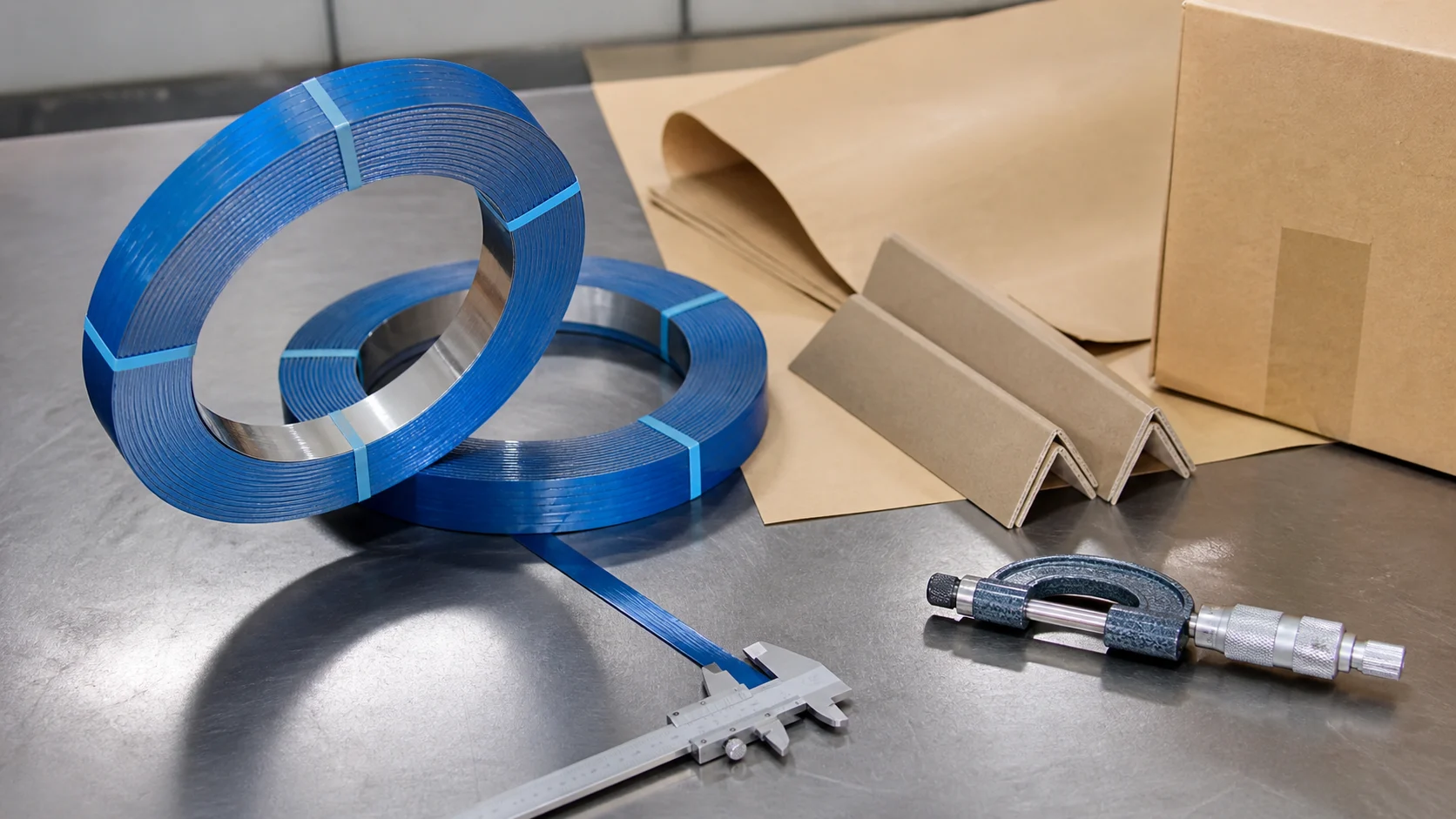
Packaging should protect the coil from handling damage and the transport environment. Confirm whether kraft paper, moisture protection, edge boards, strapping, pallet support, or an agreed outer package is required. The right method depends on coil size, transport route, storage conditions after arrival, and whether the buyer will move the coils directly into processing.
How to include strip material in a wider buying plan
Some buyers source material together with finished hardware or tool items, while others keep raw material on a separate shipment plan. The decision should be based on the actual loading, weight, packaging, handling, and receiving requirements. A dense coil product should not simply be added to a container at the last minute without checking how it will sit beside cartons, handled tools, wire products, or other goods.
The mixed container hardware tools service can help organize a buying list that includes several required product lines. Share the cold rolled strip specification, coil quantity, packing requirement, destination market, and the other products under consideration so the discussion can account for the actual shipment rather than an isolated material line.
Information to prepare for quotation
- Intended hardware, tool-component, or processing application.
- Required material grade or material requirement, if specified by the buyer.
- Thickness, width, accepted tolerance direction, and quantity per separate SKU.
- Surface and edge expectation, plus any coil-format or handling requirement.
- Coil weight range, packing layers, moisture protection, pallet, and carton needs.
- Other hardware or material items planned for the same purchasing program.
Cold Rolled Steel Strip is best suited to buyers that need a clear material specification before procurement. Sharing the end use, dimensions, material requirement, coil handling expectation, packing request, and order quantity enables China Tools Supply to organize a practical quotation scope, sample discussion, QC photo list, and shipment plan.