
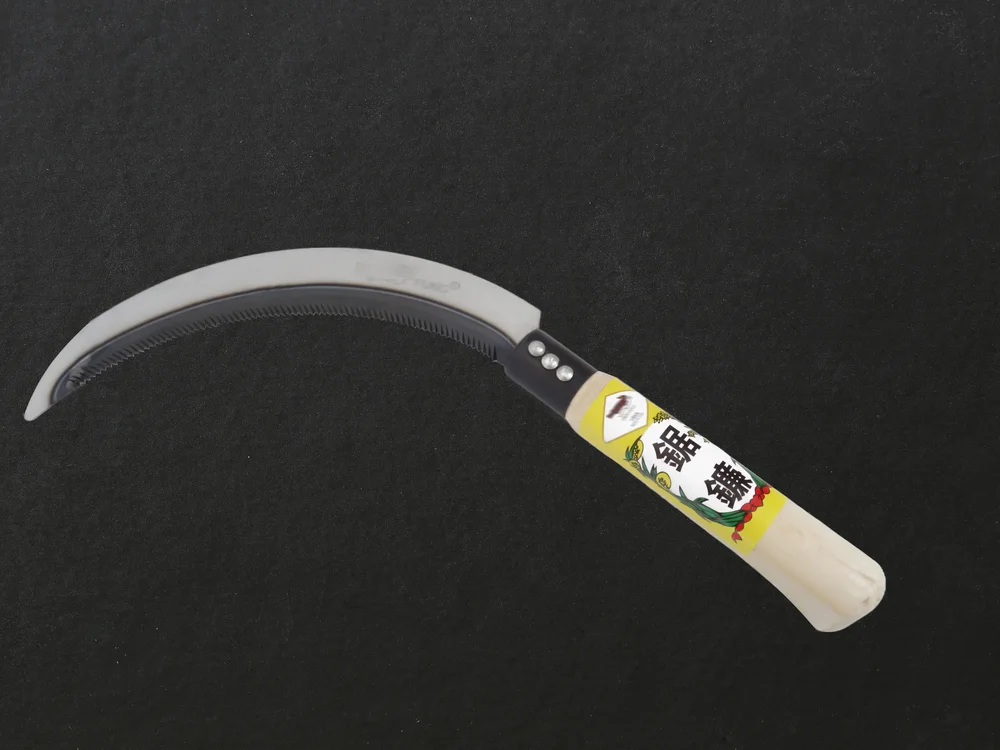
Sickles and machetes are simple tools, but they are not simple products to approve. A small change in blade curve, edge finish, handle fixing, sleeve artwork, or carton packing can change how the product sells in the destination market. For importers, the sample stage is the best time to catch those details.
This checklist is written for buyers sourcing sickles, harvesting tools, machetes, and agricultural cutting blades from China. It can be used before confirming bulk production, especially when the product will be sold through farm supply shops, hardware distributors, supermarkets, or seasonal retail channels.
1. Confirm the blade pattern first
Start with the blade shape, not the label design. For sickles, check the curve, blade length, edge style, tip shape, and whether the blade is plain or serrated. For machetes, check whether the blade is straight, curved, wide, narrow, or made for a specific agricultural cutting use. If your market has an established shape, send a reference photo before the supplier prepares samples.
- Blade curve and overall profile match the approved reference.
- Blade length and width are within the agreed direction.
- Tip shape and cutting edge are suitable for the target use.
- Surface finish is consistent across the sample, not only one side.
2. Check the edge finish and safety expectation
The cutting edge should be reviewed carefully, but buyers also need to think about packing safety. Some markets prefer a sharper retail-ready edge, while others require a safer edge that the user can sharpen locally. If the tool is packed in a paper sleeve or retail card, check whether the edge can damage the packaging during transport.
For machetes, also check blade balance and handle comfort. A blade that looks correct in a photo may still feel wrong if the handle is too light, too smooth, or not fixed securely.
3. Inspect handle material and fixing
Handle issues are common in repeat orders. Buyers should confirm material, shape, color, rivet or nail position, grip feel, and whether the handle is fixed tightly. Wood handles can vary in color and grain, so decide what range is acceptable before bulk production. Plastic handles and fiberglass handles should be checked for mold marks, color consistency, and grip comfort.
- Handle material matches the approved sample.
- Rivets, nails, or fixing points are secure and aligned.
- Grip size is suitable for the destination market.
- Handle color and finish are acceptable for retail display.
4. Review sleeve, label, and carton marks together
Many cutting tools are sold with paper sleeves, blade covers, stickers, or simple labels. Artwork should be checked for logo, product name, size, barcode, warning text, and country-specific language. Carton marks should match the buyer's warehouse system and should not conflict with the retail label.
If the order includes multiple garden or agricultural tools, keep the label style consistent across related product lines such as garden tools. A consistent label system makes it easier for distributors and retail stores to manage shelf presentation.
5. Ask for practical QC photos
Pre-shipment photos should not be limited to one attractive product image. Ask for photos of the blade, handle fixing, label position, inner packing, carton mark, and several randomly selected finished pieces. For bulk orders, carton photos and packed-carton weight can help catch problems before shipment.
6. Compare the sample against the buying list
Before approving production, compare the sample with the original buying list. The checklist should match the product name, reference photo, blade style, handle material, packing method, carton mark, and quantity. If the original buying list was vague, update it before placing repeat orders. The broader hardware tools buying list explains what information should be prepared before quotation.
7. Keep a repeat-order record
After approval, save the sample photos, packing photos, label file, carton mark, and any agreed tolerance notes. Repeat orders become easier when both buyer and supplier refer to the same approved record. This is especially important for seasonal agricultural tools, where the next order may be placed months later by a different purchasing team member.
A good sample checklist protects both sides. It reduces misunderstanding, keeps the product consistent, and makes future quotation faster because the approved standard is already clear.